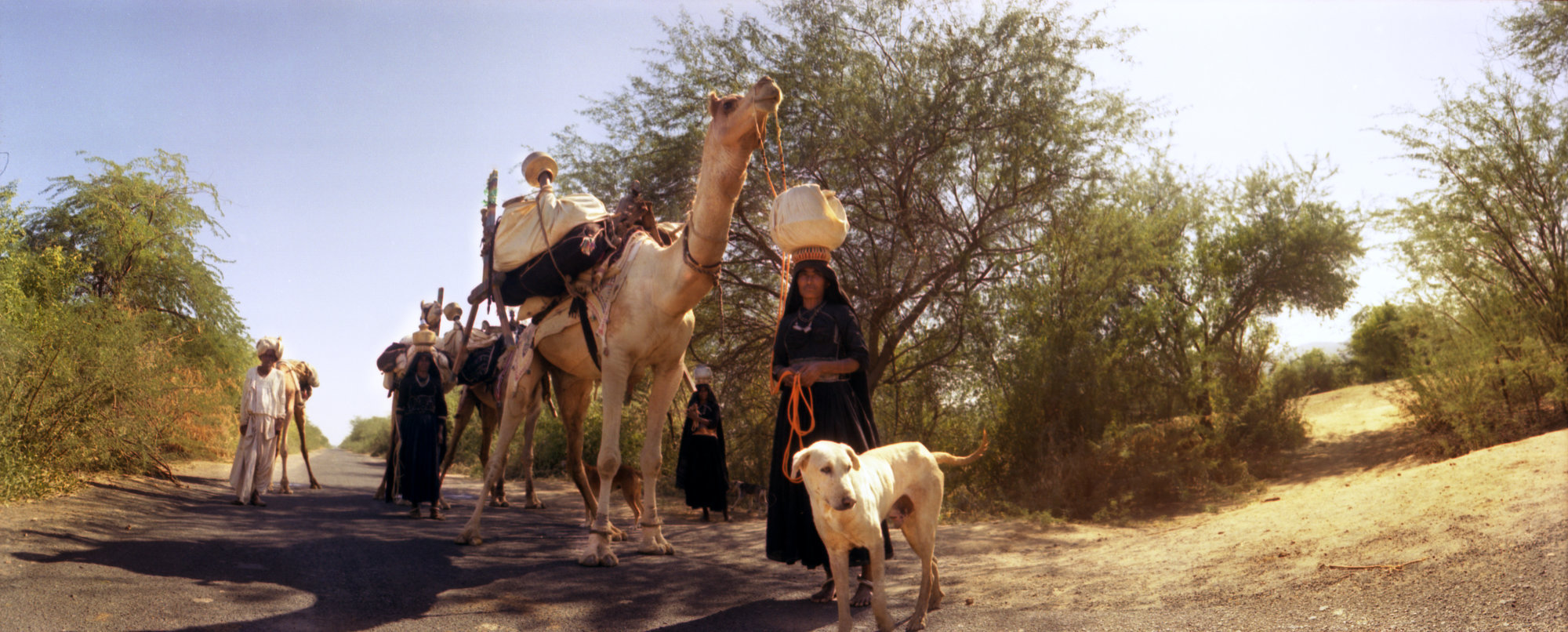
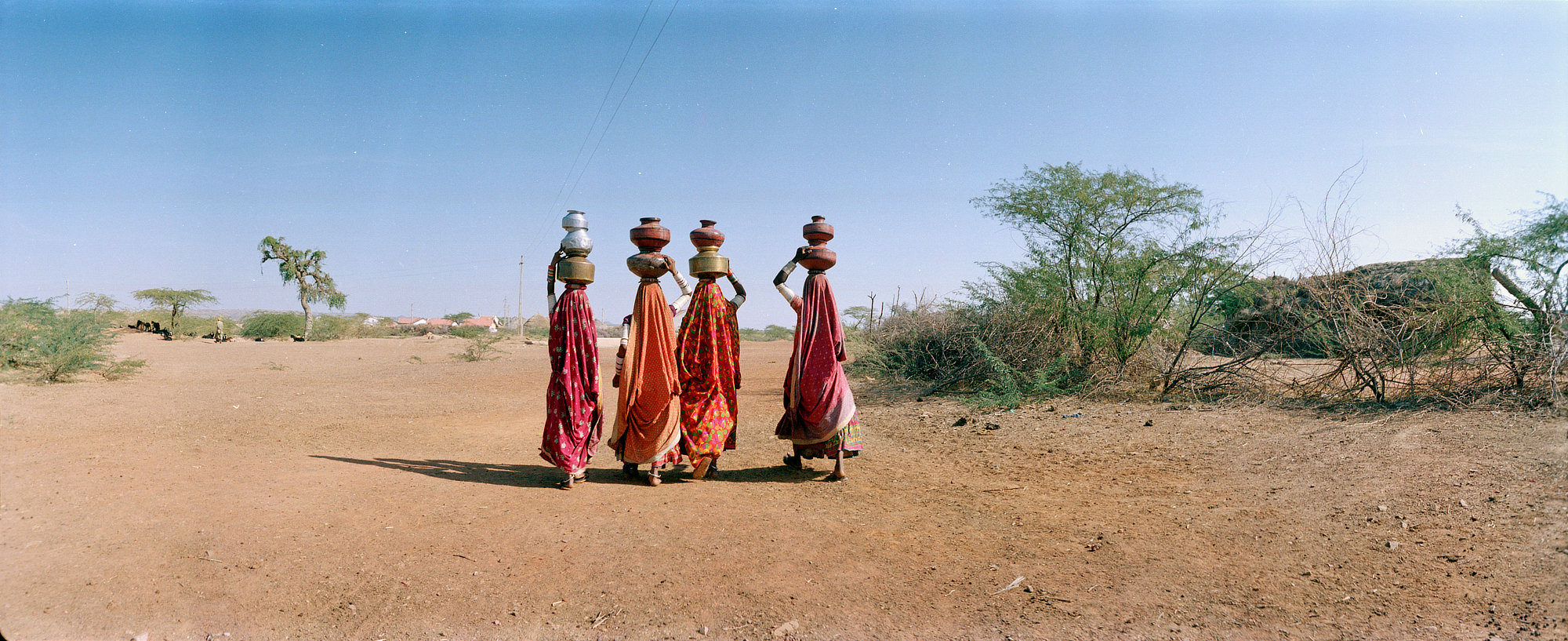
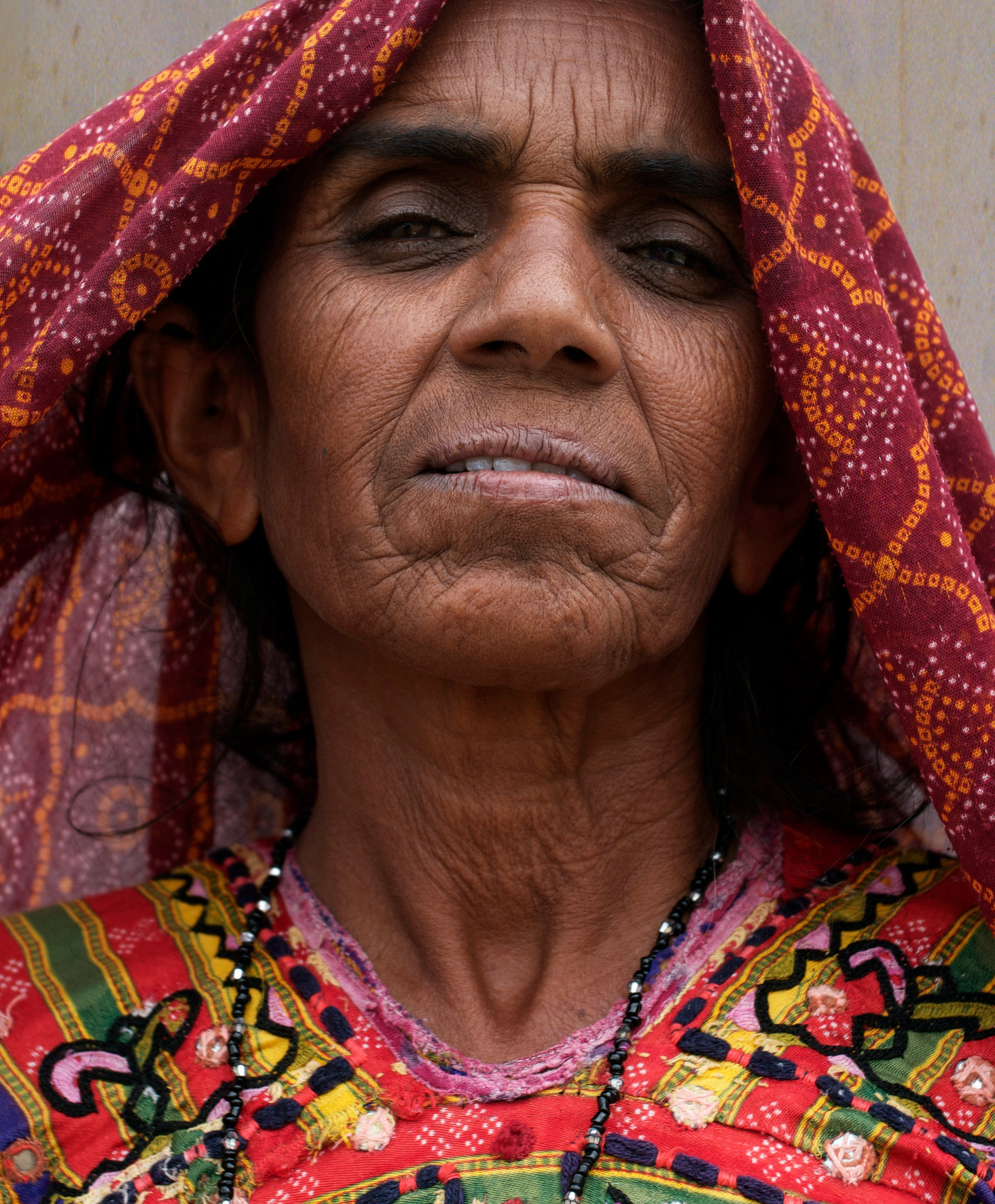
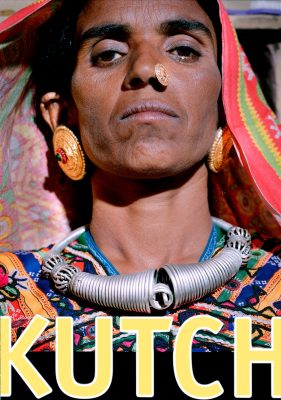
I wake to a growing roar and something rushing over my head. When I open my eyes, I see a fighter jet tearing across the sky. At the same moment, Ramila-Ben calls me to join her at the well. I grab two water pots from beside the hut and follow the girls.
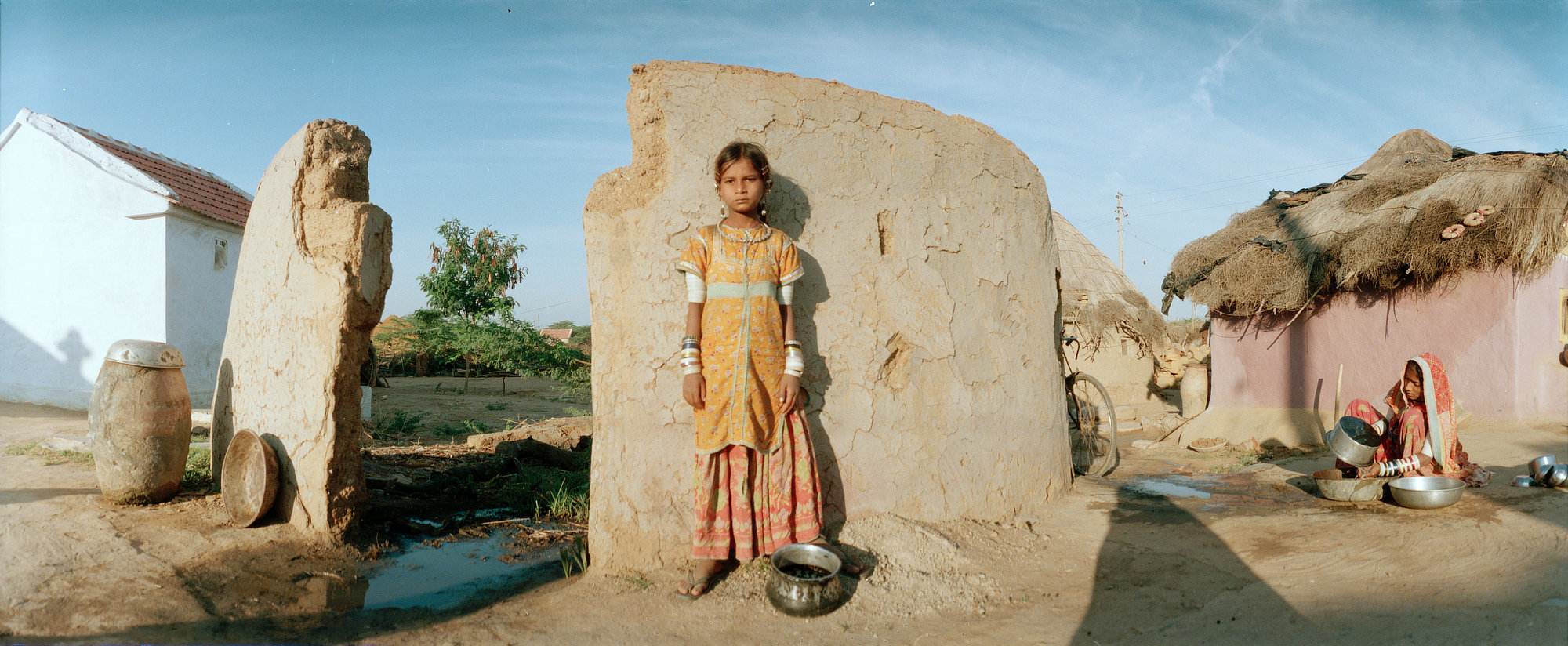
At the well, I notice that the water is once again running low. Only a thin stream trickles from the pipe. I watch as everyone tries to push their own pots beneath the water at the same time, while litres of precious water spill uselessly onto the ground. The Muslim women from the neighbouring village are clearly more forceful. Ramila-Ben and Masnna-Ben are pushed aside. I force my own pot past the others and hold tightly onto the pipe until it is full.
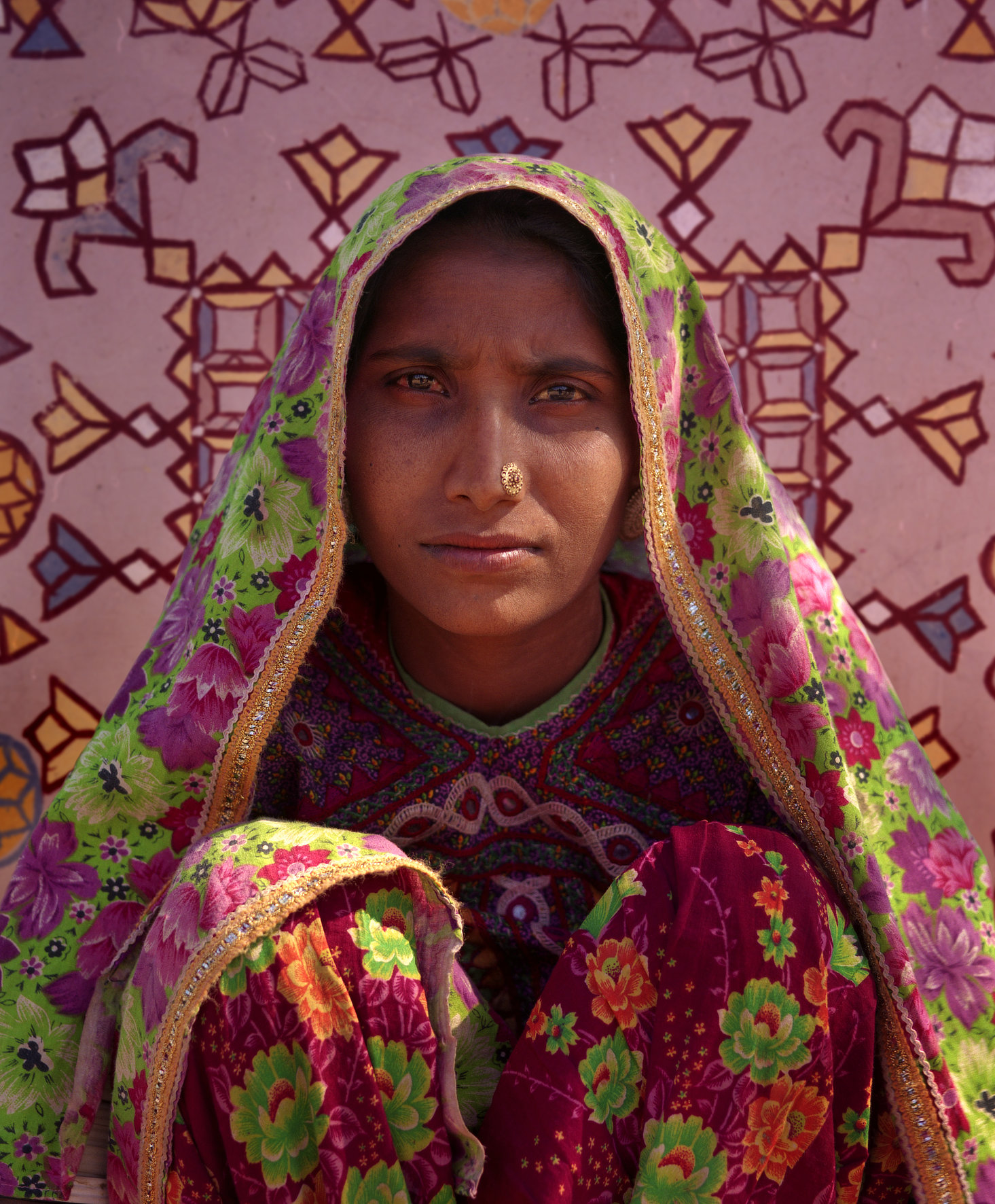
For centuries, the Muslims and the Hindu Harijan community have been beloved enemies. They have lived side by side, influencing one another over generations. The women’s clothing is almost indistinguishable, and even wedding traditions share similarities. Still, a visit from me to the Muslim village would be considered an insult to the people of Ludia.
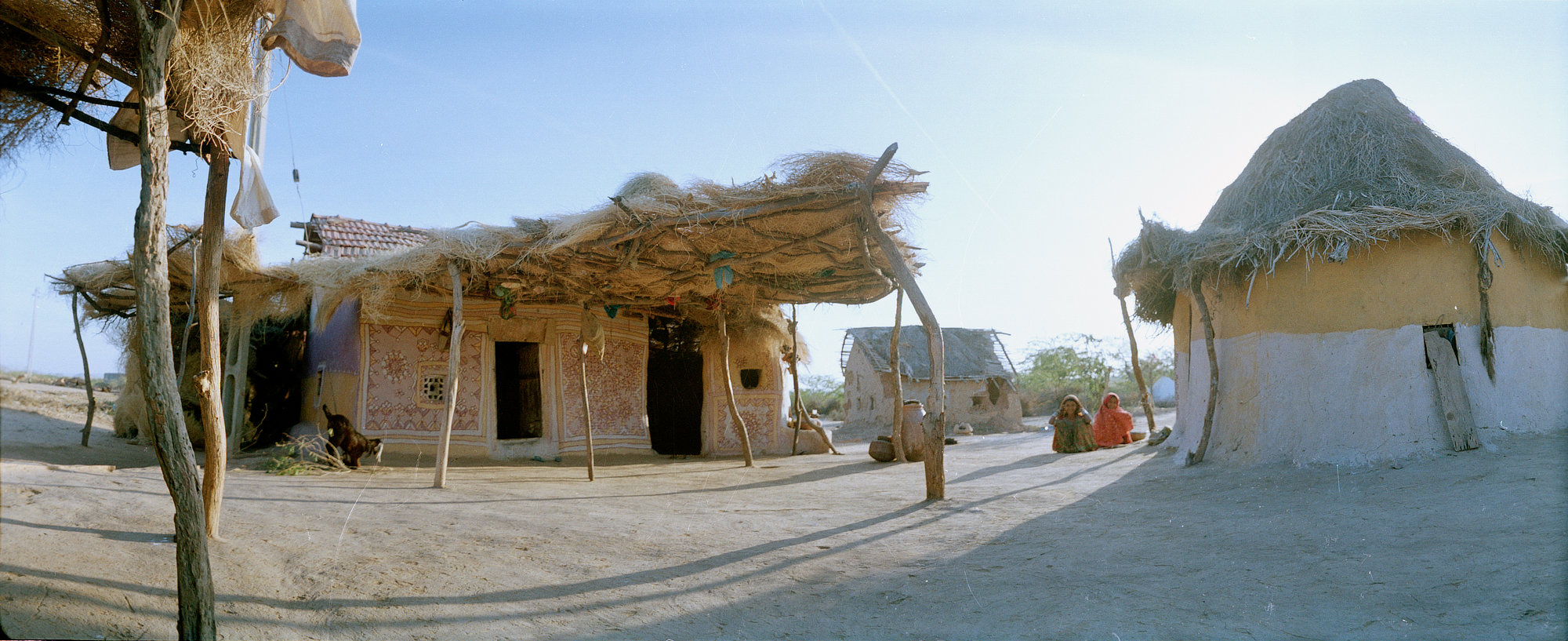
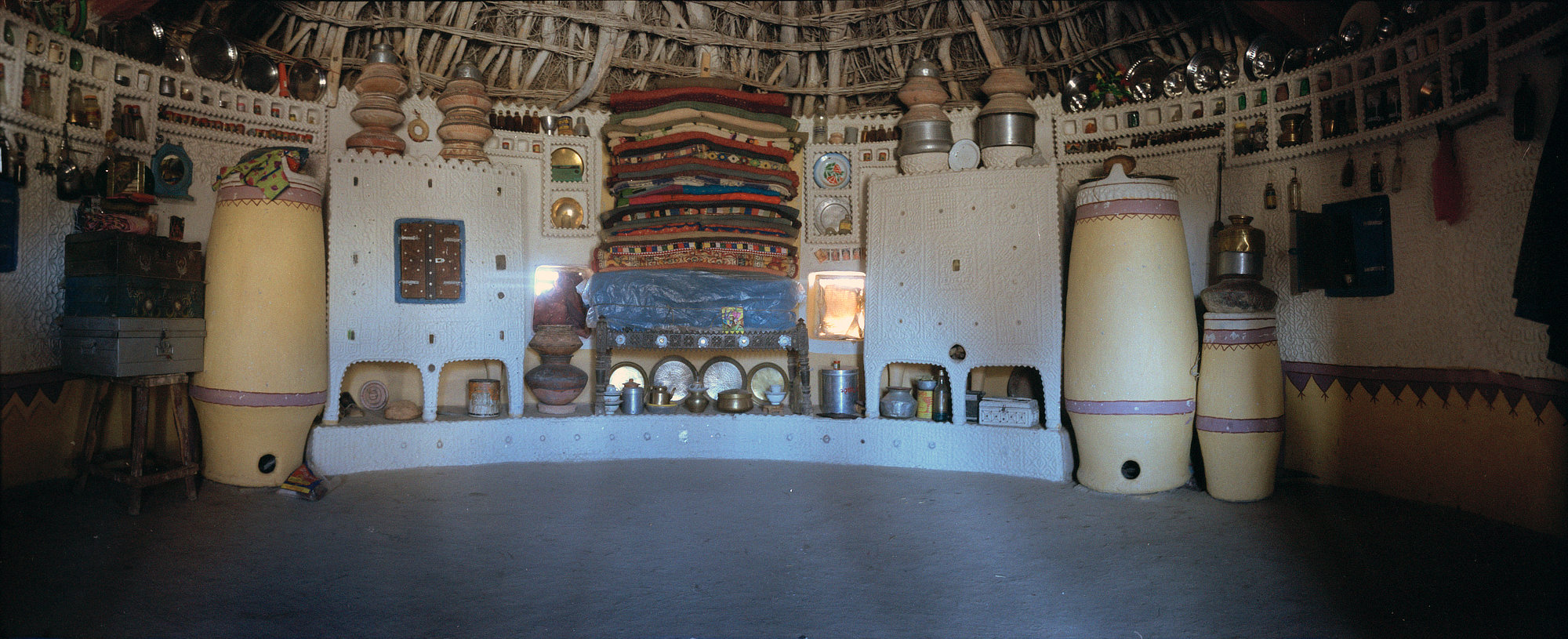
After fetching water, we clean the huts and feed the animals. Nowadays there are only a dozen goats left in Ludia and a few stray dogs that have settled in the village. Only a few years ago there was also a water buffalo that produced plenty of milk, but it died during the extreme heat of late summer. The village suffers from worsening drought caused by increasingly poor monsoon rains.
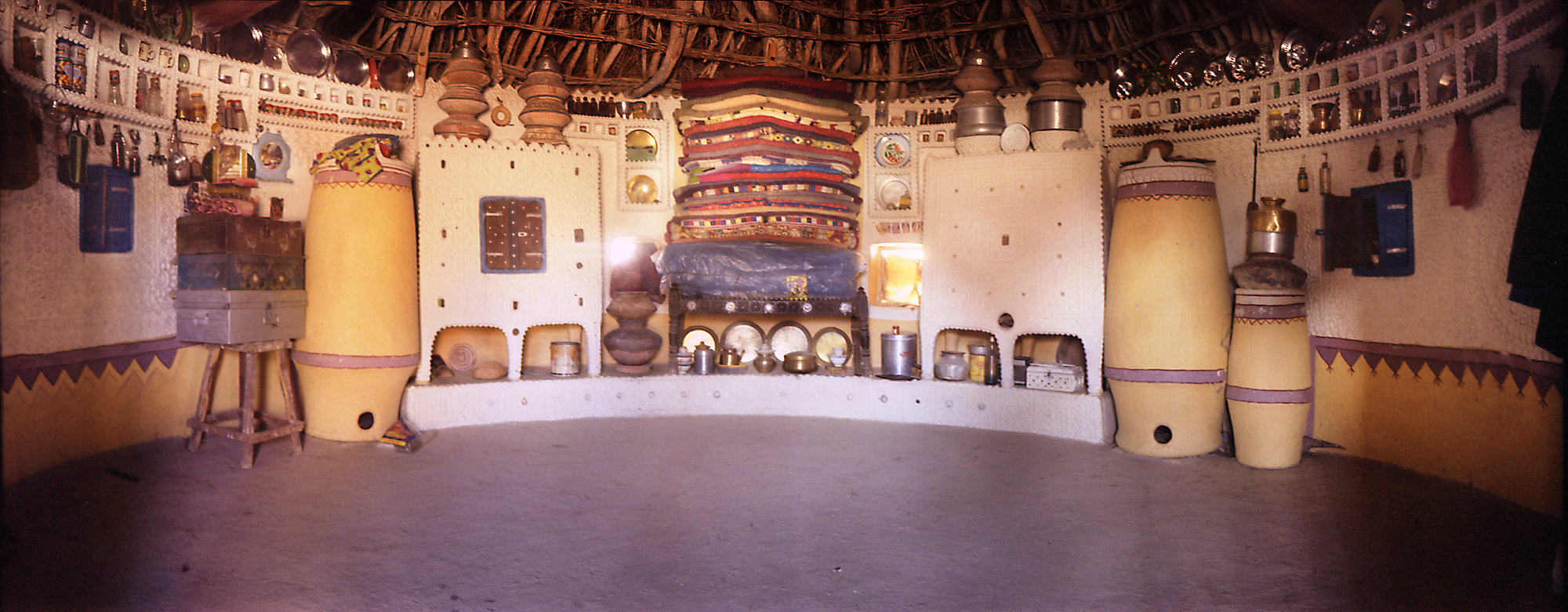
The hottest hours of the day pass in the shade of the courtyard. Bherma sews fragments of mirror into a worn piece of cloth, while Buna-Bhai carves geometric patterns into the lid of a wooden box. I retreat into the hut to rest. Covering my face with a scarf, I drift into daydreams of the flirtatious Hanuman and Shiva gliding past me in a glowing light.
In the evening, three men arrive from the village of Manna-Ben’s and Sonal-Ben’s future husbands. They are taken to the bonfire, surrounded by a circle of men in turbans. Manna-Ben prepares especially sweet tea for them. Bherma, Sonal-Ben, and I watch from a distance as the visitors settle in comfortably.
Then Sumar-kaka comes to fetch me. Bherma grips my arm firmly and looks directly into my eyes.
“Remember to cover your face.”
When I join the men, I bow deeply and greet them humbly:
“Namaste.”
As I show photographs from Finland, I keep my face covered with a scarf and speak softly. I struggle to remember as many Kutchi words as possible while introducing pictures of my family. The visiting men seem convinced.
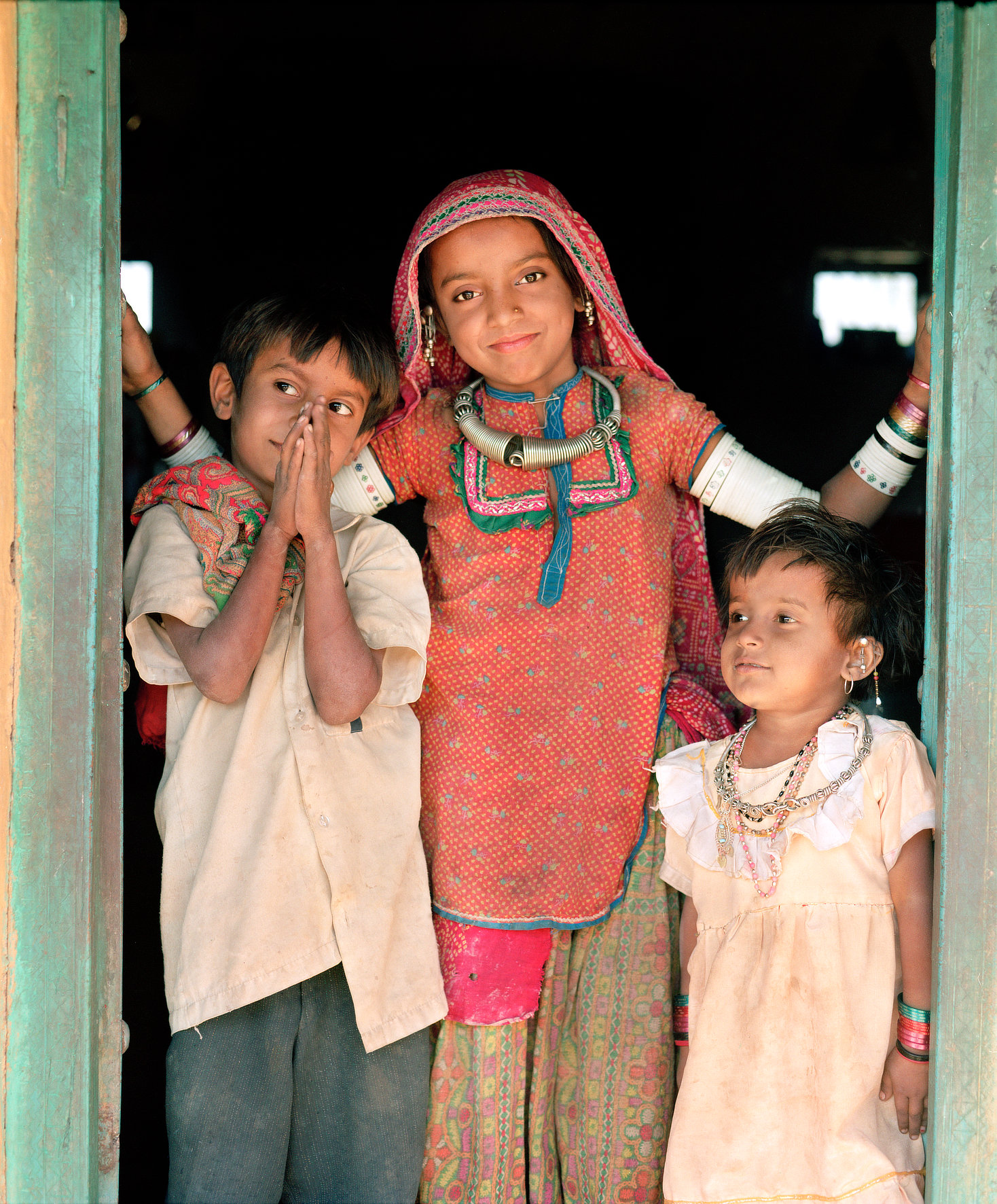
When I return to the hut, Sonal-Ben and Manna-Ben want to know every gesture the men from their future husbands’ families made. I tell them everything. We laugh together, and soon we are giggling like mischievous children.
Late at night, when the men of our own household try to enter the hut, we push them back outside and tell them:
“You can squat out there a little longer. We are still talking.”
Just before dawn, the girls and I walk out into the desert. We watch the newly risen moon and bright shooting stars flashing across the sky.