Ghar -
At Home In India

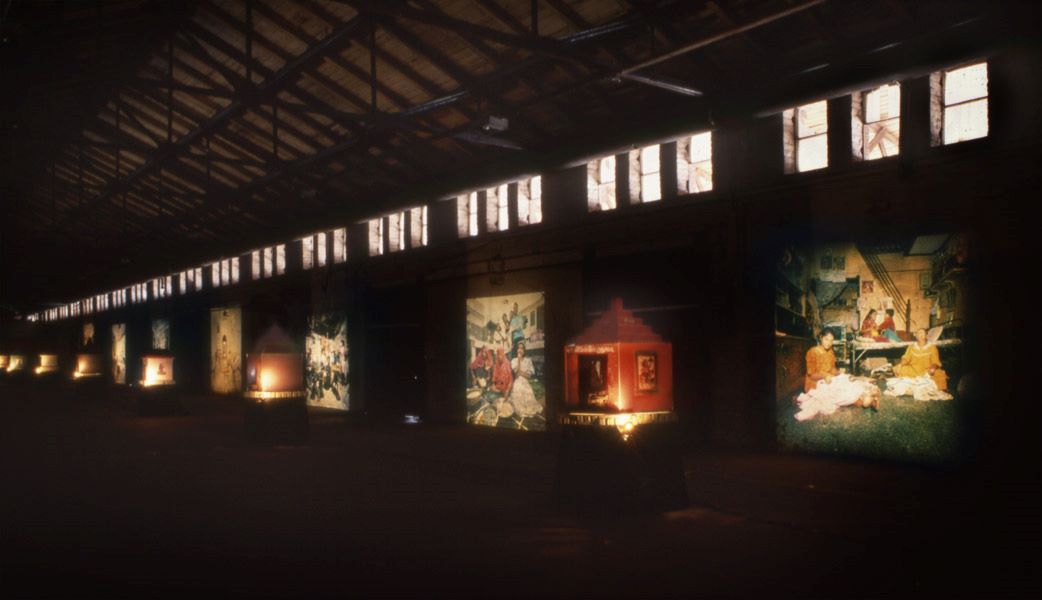
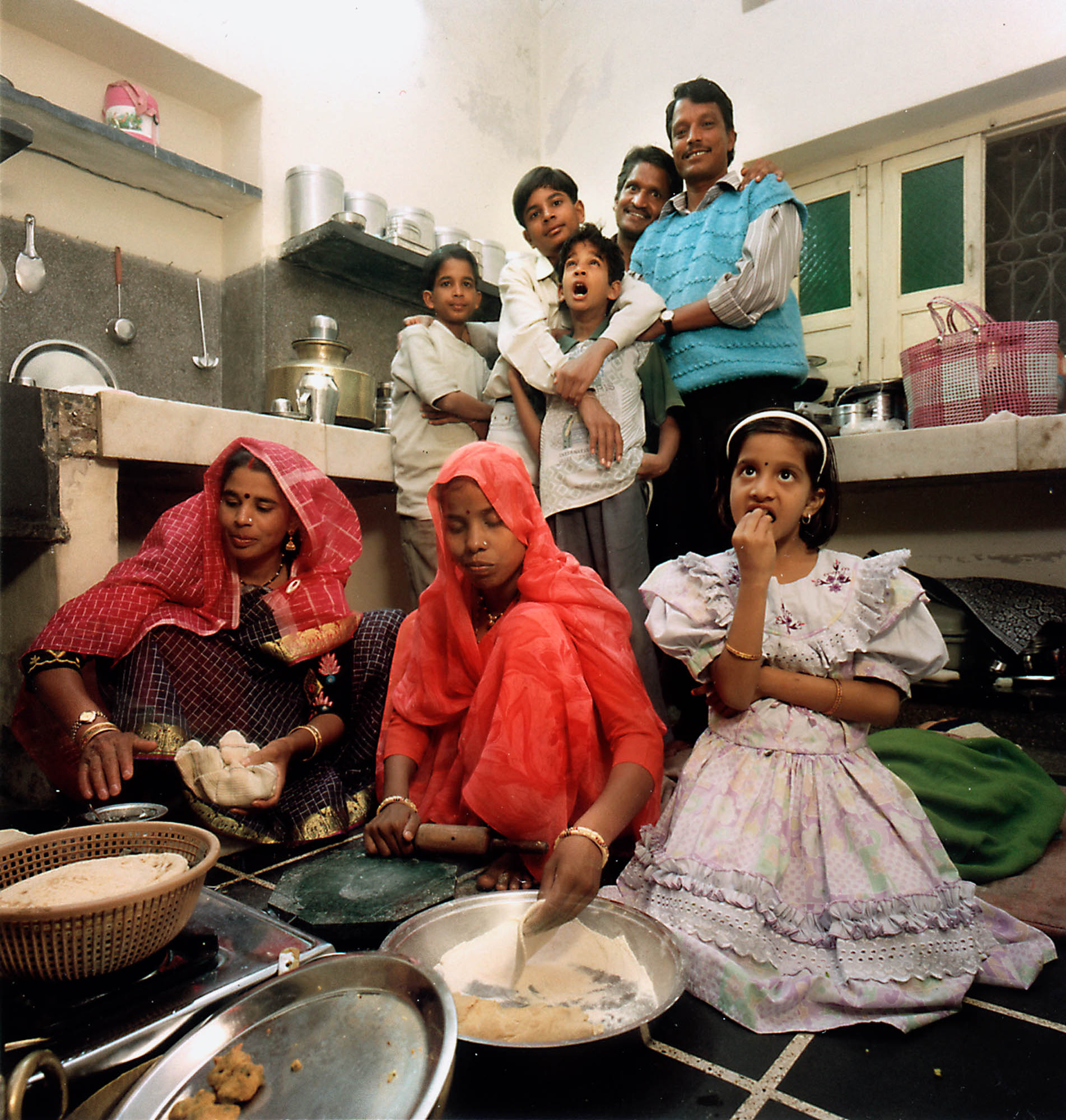
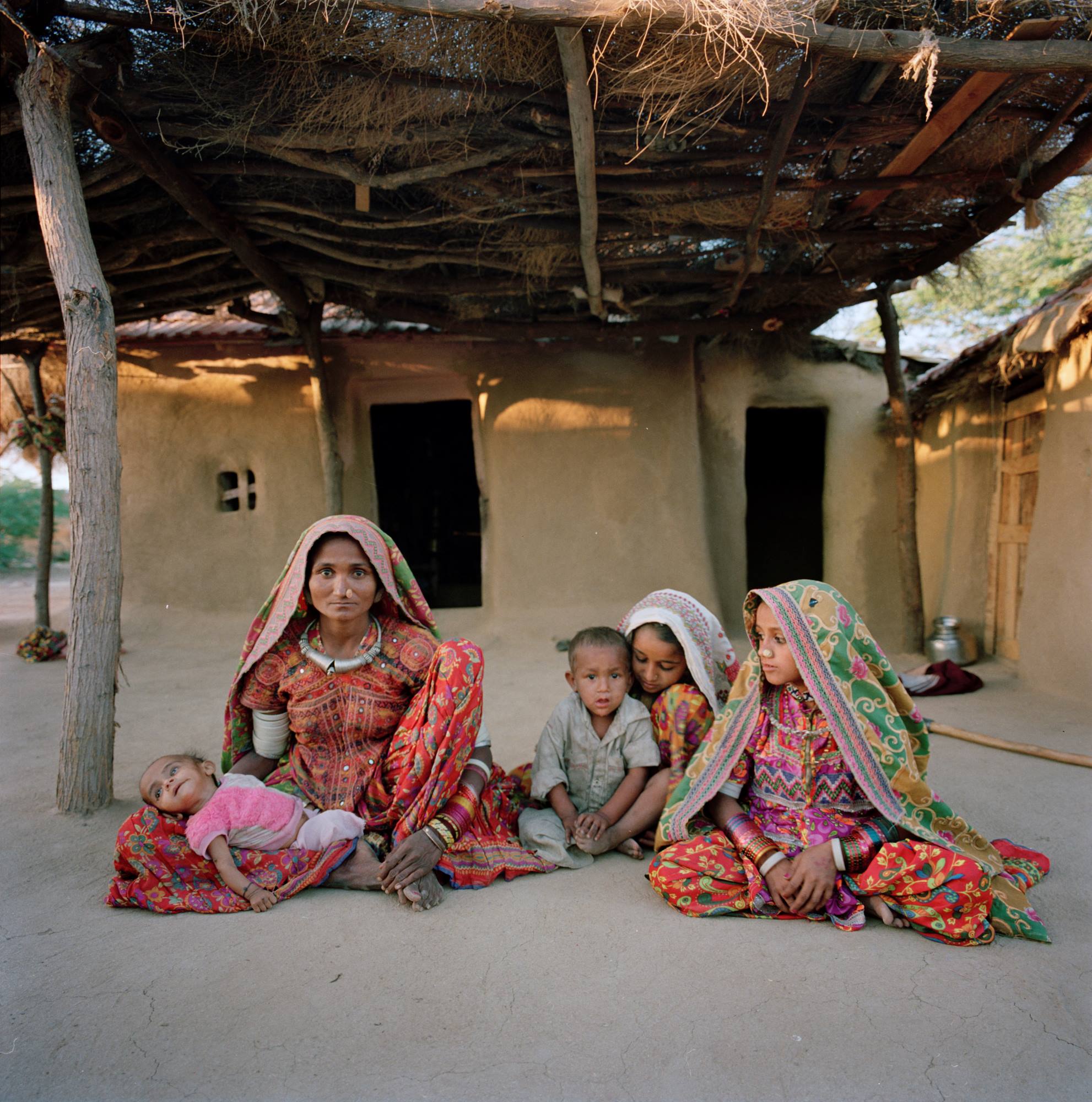
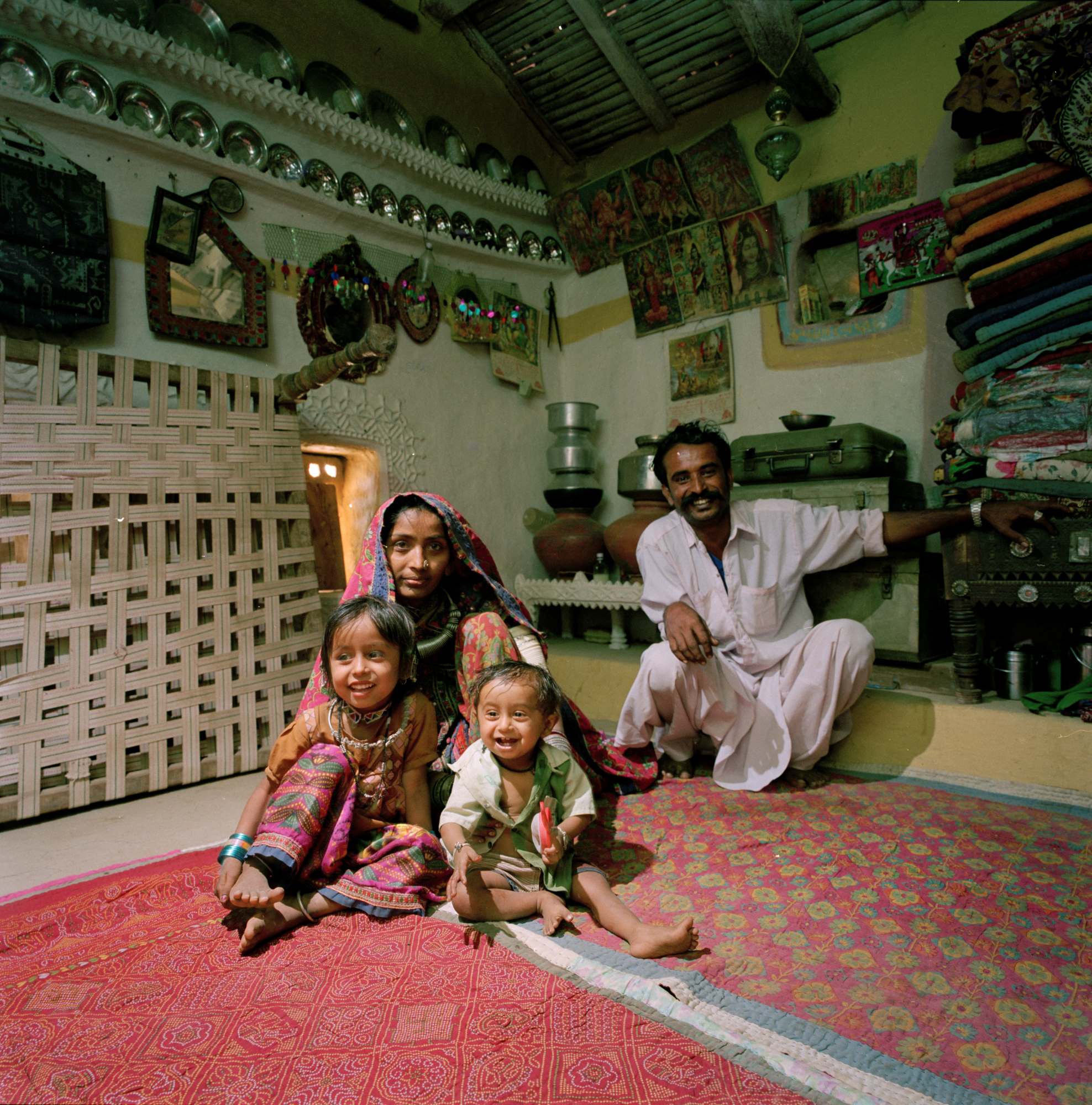
The photographs in the exhibition Ghar – At Home in India (ghar means “home” or “house” in Hindi) were taken in December 1998. The exhibition is a tribute to my friends in India. Rather than creating traditional family portraits, I sought to capture the pauses and in-between moments that emerge while photographs are being taken, such as moments when the telephone rings or children grow restless from sitting still. I avoided arranging the spaces or directing the people within them, allowing both the interiors and their inhabitants to settle naturally into the image. The resulting sense of spontaneity reveals the atmosphere and character of each home.

My interest in Indian homes began several years earlier, when I became aware of the dramatic changes taking place in the domestic environments of my friends.

Over the course of five years, television had assumed a central role in many Indian homes. People had moved from the patios indoors and gathered around television sets. The influence of satellite channels became increasingly visible in the interiors. These changes manifested differently across social classes. In many cases, the homes of the very wealthy had lost much of their distinct national character, while poorer households combined new trends with tradition, placing, for example, a plastic “Love” clock among sacred images.

What

Photo-based installation

Where

Helsinki

When

1999

How

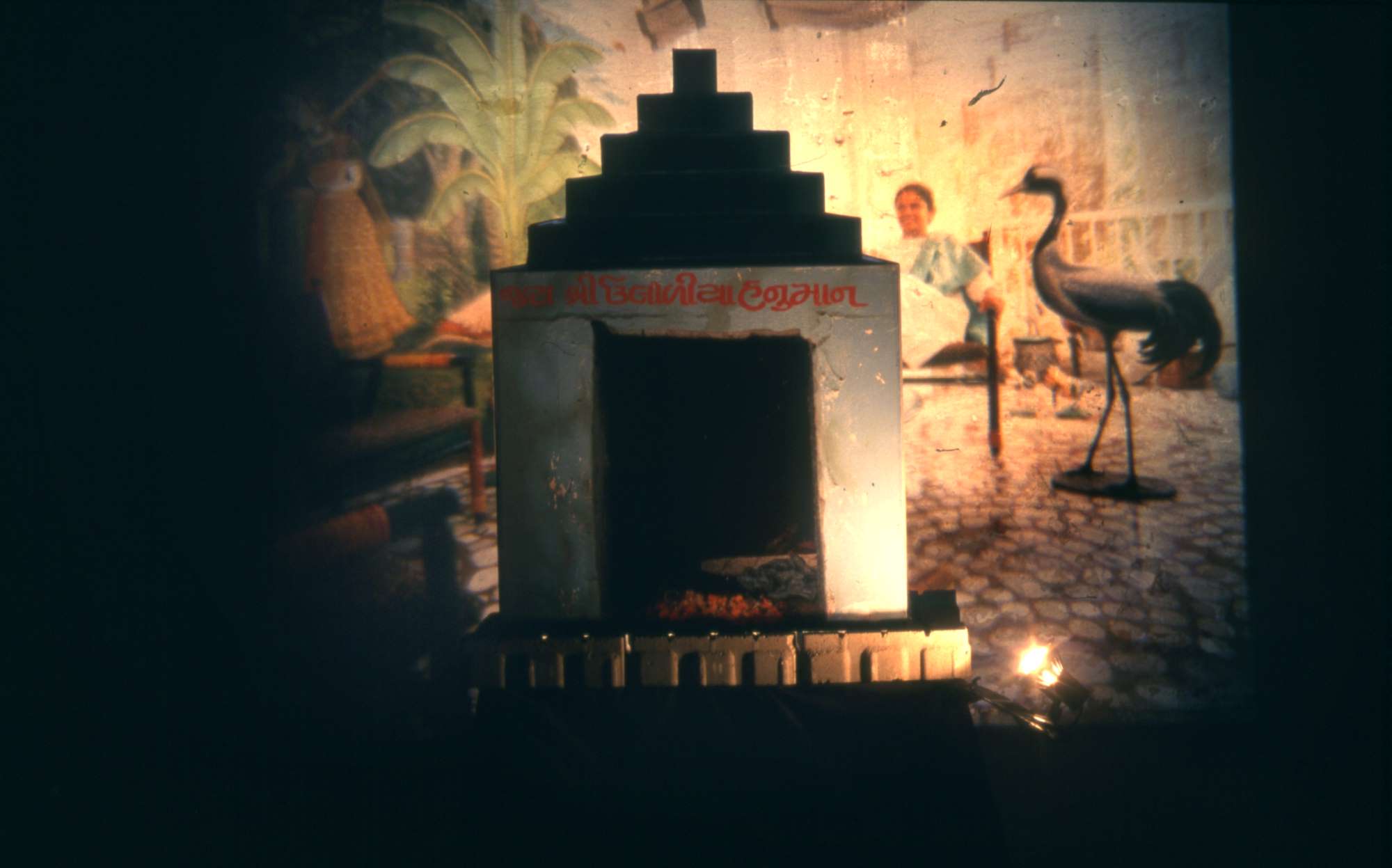
9 photographic sculptures, approximately 1 × 1 × 1.5 m
12 lightbox photographs, 20 × 20 cm

Notes

Images were projected from within the photographic sculptures onto the surrounding walls, creating large-scale projections measuring approximately 5 × 5 meters. The installation combined sculptural forms, photography, and light to transform the exhibition space into an immersive environment inspired by experiences of home and everyday life in India.